Global Study Says 6 Spoons of Daily Dal May Cut High Blood Pressure Risk by 30%
What if the most powerful weapon against high blood pressure was not hidden inside an expensive medicine bottle but quietly sitting in the Indian kitchen for generations?
A major global analysis published in BMJ Nutrition Prevention & Health has found that eating more legumes such as dal, chana, rajma, peas and lentils may sharply reduce the risk of developing high blood pressure — often called the “silent killer” because it damages the heart and blood vessels without obvious symptoms for years.
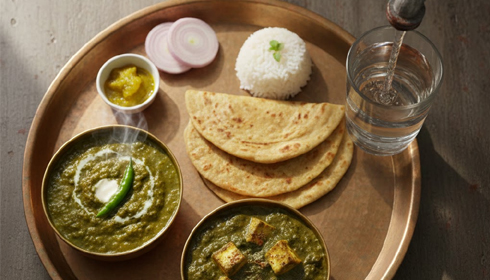
Researchers analysing health data from studies across the United States, Europe and Asia discovered that people who regularly consumed legumes were up to 30% less likely to develop hypertension when intake reached around 170 grams a day — roughly equal to one large bowl or about 5–6 tablespoons of cooked dal or beans.
The findings arrive at a time when India is witnessing a dangerous rise in hypertension cases among both urban and rural populations. Doctors warn that uncontrolled blood pressure can silently trigger heart attacks, strokes, kidney failure and even blindness.
But the striking part of the research is not just the numbers. It is the simplicity.
The “protective dose” identified by scientists resembles the traditional Indian meal many families have eaten for decades — dal-chawal, chana, or simple lentil-based dishes often dismissed as “poor man’s food” in an age of imported superfoods and ultra-processed diets.
The pooled analysis reviewed 12 long-term observational studies involving thousands of participants from countries including China, Japan, Iran, France, the UK and the US. Scientists examined dietary habits and later tracked how many people developed high blood pressure over time.
Compared with people who ate very few legumes, those consuming larger amounts had a 16% lower overall risk of hypertension. Soy foods such as tofu, soy milk, miso and edamame were linked to an even stronger 19% lower risk.
Interestingly, researchers noticed what they described as a “plateau effect.". For soy foods, most of the benefit appeared at just 60–80 grams daily — roughly a palm-sized piece of tofu. Eating more did not seem to provide extra protection.
Scientists believe the explanation lies deep inside the body’s blood vessels.
Legumes and soy are rich in potassium, magnesium and dietary fibre — nutrients already known to help control blood pressure. But newer laboratory research has uncovered another fascinating process. When healthy gut bacteria break down the soluble fibre present in dal and beans, they produce compounds called short-chain fatty acids. These compounds help blood vessels relax and widen, allowing blood to flow more smoothly.
Soy contains additional plant compounds called isoflavones that may also improve blood vessel function.
Professor Sumantra Ray, chief scientist and executive director of NNEdPro Global Institute for Food, Nutrition and Health, said the research strengthens the case for plant-based diets in tackling the global burden of hypertension.
“The authors have significantly added to the case for using legumes and soy as primary dietary strategies to mitigate the global burden of hypertension,” he commented.
The researchers, however, cautioned that the findings do not mean people should suddenly abandon prescribed medicines. The analysis included studies with different cooking styles, dietary patterns and definitions of high blood pressure, which may influence results.
Still, the public health message is difficult to ignore.
Ironically, while many Western countries consume only 8–15 grams of legumes daily — far below recommended levels — India already possesses a deeply rooted food culture built around lentils and pulses.
At a time when lifestyle diseases are exploding across the world, the humble bowl of dal may no longer be seen as ordinary comfort food. Scientists are increasingly viewing it as something far more powerful: a cheap, accessible and potentially life-saving “heart shield” hiding in plain sight.
Be first to post your comments