Gun Violence Inflicts ‘Invisible Wounds’ on Thousands of US Kids: Report
Gun violence is typically covered from the crime scene or the hospital room, focusing on who was shot and whether they survived. However, recent evidence reveals that the true toll typically begins long after the sirens have faded – in hospital waiting rooms, school classrooms, and children's beds.
A major study published in the New England Journal of Medicine demonstrates that when a parent is injured by a weapon, their children experience a severe and long-lasting mental health crisis, even if they did not witness the shooting. This is referred to as the "ricochet effect" by researchers: a bullet fired at one body returns psychologically into another.
Every year in the United States, around 20,000 children and adolescents lose a parent to gun violence, with an estimated two to three times as many having a parent who survives a firearm injury. To further understand what happens to these children, Mass General Brigham investigators examined health records from a large employer-sponsored insurance database, following both parents and their children across time.
The researchers compared 3,790 children whose parents were hurt by a gun to 18,535 similar children whose parents were not shot, matching them by age, gender, region, and health status. The average age of the youngsters was slightly over ten years.
The results were stark. In the year following a parent's firearm injury, exposed children had a 42% increase in psychiatric diagnoses and a 60% increase in mental health visits, compared to the control group. These increases did not subside rapidly, indicating long-term injury rather than temporary distress.
"Firearm injury is the most common cause of death in children and adolescents, but as horrific as this fact is, it represents only one way in which gun violence impacts young people," said George Karandinos, MD, PhD, lead author and research investigator at Massachusetts General Hospital's Gun Violence Prevention Centre. "By zooming out and using population data, our study draws attention to the way that firearm injuries reverberate through whole families, harming even those who were not injured directly."
Doctors frequently celebrate when a shooting victim survives. However, the study emphasises a "survivor's penalty" – the emotional cost borne by children who see a parent's transition from critical care to a lengthy, uncertain recovery. Children whose parents required ICU care experienced the most severe mental health consequences.
The most prevalent diagnosis was post-traumatic stress disorder (PTSD), which is characterised by intrusive memories, anxiety, and emotional numbness. Simply put, the child's brain stays in a state of risk even after the physical threat has passed. Mood problems such as depression have also grown, posing the tough question that parents frequently ask: Can children develop trauma even if they did not see the shooting? How soon do the symptoms appear?
One of the most notable findings was a gender gap. Girls were much more affected than boys. While the study does not provide a single explanation, researchers hypothesise that females may internalise stress more deeply or take on emotional caregiving tasks during a parent's illness, thereby increasing the load.
Importantly, the researchers warn that their findings may underestimate the full extent of injury because they only include children who have received formal diagnoses or medical care. Many others may struggle quietly at home or school.
"The mental health need that we have documented in this work is something that can be addressed by leveraging existing programmes," he said. He cited hospital-based violence reduction programmes and improved communication between trauma surgeons and paediatricians as feasible answers.
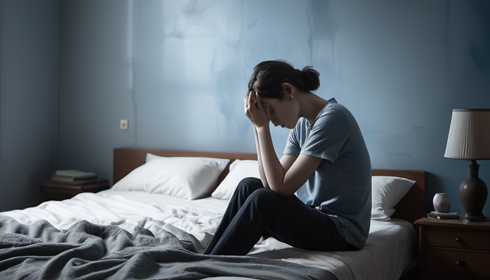
For families, the message is depressing yet clear. You do not need to be shot to be a victim of gun violence. When a gunshot strikes a parent, it can leave invisible wounds in a child, requiring medical treatment, early therapy, and coordinated care, not quiet.
Be first to post your comments