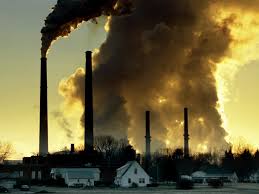
Air Pollution Remains a Global Health Threat Despite Regulatory Gains
Air pollution today may look different from decades past, but it remains a serious and widespread threat to human health. While environmental regulations have successfully reduced harmful substances such as lead and sulfur dioxide, newer and persistent pollutants continue to compromise air quality across the globe.
Experts warn that particle pollution, ground-level ozone, and wildfire smoke are among the leading dangers affecting the air people breathe daily. According to Dr. Stavros Garantziotis, a researcher with the National Institutes of Health (NIH), exposure to unhealthy air is nearly unavoidable. “Nearly everyone on the planet is exposed to unhealthy air at least some of the time,” he noted in the April issue of NIH News in Health.
However, the health impacts of pollution are not uniform. Individuals with asthma face heightened risks, while children, older adults, and those with underlying conditions such as diabetes or heart disease are particularly vulnerable. Medical data shows that spikes in air pollution are often followed by increases in hospital admissions for heart attacks and strokes, especially among older populations. Certain pollutants have also been linked to an increased risk of cancer.
One of the most dangerous forms of pollution is particulate matter, which originates from industrial activity, vehicle emissions, and power plants. These microscopic particles can penetrate deep into the lungs, causing long-term damage. Ozone, another harmful pollutant formed when sunlight reacts with emissions, can irritate and damage the respiratory system.
Wildfire smoke has emerged as an escalating concern. Increasing in frequency and intensity, wildfires release a toxic mix of chemicals, fine particles, and metals into the atmosphere. Notably, the effects are not confined to areas near the fires. “Smoke doesn’t stay where the fire is,” said Garantziotis. “It goes wherever the wind takes it,” meaning communities hundreds of miles away can still experience degraded air quality.
Indoor air quality is also a growing issue. Pollutants from fireplaces, gas stoves, mold, dust, pet dander, and pests can accumulate, compounding the effects of outdoor pollution. Even distant environmental events can contribute to indoor contamination.
Ongoing research is shedding light on how air pollution affects the human body. Scientists at NIH are studying how lung cells repair themselves after exposure to polluted air. Early findings suggest that pollution can damage the structural support around lung cells, making breathing more difficult. Researchers are exploring whether supplementing the body with a natural substance called hyaluronan could help restore lung function.
At the same time, scientists are investigating why some individuals are more susceptible to pollution-related health issues than others. Understanding these differences could lead to more effective prevention and treatment strategies.
While research continues, health experts recommend practical steps to reduce exposure. Individuals are advised to monitor air quality levels, limit outdoor activity during high-pollution days, and keep windows closed when necessary. Proper ventilation during cooking, especially with gas appliances, and regular maintenance of HVAC systems can also help improve indoor air quality. Avoiding indoor smoking and using portable HEPA air purifiers in high-risk areas are additional measures that can make a difference.
Despite progress in reducing certain pollutants, air quality remains a pressing public health issue. As scientific understanding evolves, both individual actions and broader environmental policies will play a critical role in safeguarding health in an increasingly polluted world.
Be first to post your comments