Study Finds Hit Children 40% More Likely to Struggle at School and Bully Others
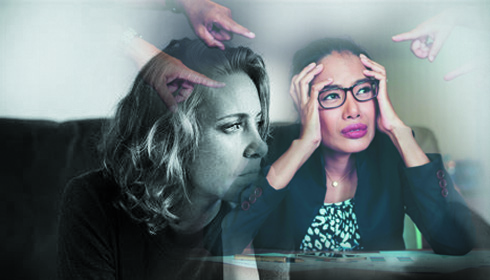
Children who are physically punished by parents or carers may be paying a far higher price than previously thought, according to a major new UK study that links childhood smacking to poorer exam results, bullying and aggressive behaviour during adolescence
The report, published on recently by researchers at University College London (UCL), found that children who experienced physical punishment at ages three, five and seven were significantly more likely to perform poorly in key school examinations later in life. After accounting for other family and social factors, nearly 48% of children who had been physically punished failed to achieve five good GCSE grades, including English and Maths, compared with 42.3% of children who had not been hit.
The findings come from the UCL-led Millennium Cohort Study, which has tracked around 19,000 children born across the UK between 2000 and 2002. Researchers analysed data collected from infancy through adolescence and linked it to educational records to better understand the long-term effects of physical punishment.
The study also identified troubling behavioural outcomes. Adolescents who had experienced physical punishment during early childhood were 33% more likely to engage in harmful behaviour towards others by age 14. They were 35% more likely to have hit, pushed, or shoved someone; 41% were more likely to bully siblings; 26% were more likely to engage in cyberbullying; and 25% were more likely to take part in other forms of bullying.
Lead author Dr Anja Heilmann of UCL Epidemiology and Public Health said the evidence leaves little room for doubt. “Our findings corroborate previous evidence that physical punishment has no benefits and is linked to detrimental outcomes for children's development and wellbeing,” she said. “Children have the right to be brought up free from all forms of violence.”
Researchers believe repeated physical punishment may affect a child's emotional development and ability to regulate behaviour. Stress experienced during early childhood can influence how the developing brain processes emotions, learning and social interactions. While the study does not prove that smacking directly causes poor grades or aggression, its conclusions closely mirror decades of international research in the United States, Europe, and Australia that linked corporal punishment with poorer mental health, lower academic achievement, and increased antisocial behaviour.
Dr Becca Lacey of City St George’s, University of London, described physical punishment as “the most common and socially accepted form of violence against children". She added, “The simple truth, as our research shows, is that physically punishing a child has no benefits.”
The report arrives amid renewed debate over child protection laws. Physical punishment is already banned in Scotland, Wales and the Republic of Ireland, as well as around 70 countries worldwide. Yet it remains legal in England and Northern Ireland under the defence of “reasonable punishment". Researchers described recent decisions by lawmakers to abandon proposed bans as a missed opportunity.
As one in five 10-year-olds in the UK was still physically punished as recently as 2021, the findings raise a difficult question for parents and policymakers alike: if smacking fails to improve behaviour and may harm children's futures, is it time to rethink what discipline should look like in modern society?
Be first to post your comments