Knee Surgery May Not Always Help Arthritis Patients; Study Raises Questions Over Common Meniscus Procedure
A commonly performed knee surgery for osteoarthritis may not provide the long-term relief patients expect and could potentially worsen knee health, according to new research that challenges a widely accepted treatment approach.
The study, conducted by researchers from Finland and published as a correspondence paper in The New England Journal of Medicine, found that patients who underwent partial removal of damaged meniscus cartilage experienced poorer outcomes over the next decade compared with those who underwent a “sham” procedure, where the cartilage was not removed.
Researchers observed that people who received the sham procedure reported less knee pain, better knee function, and fewer signs of worsening osteoarthritis compared with those who underwent meniscectomy, a surgery in which torn portions of the meniscus are removed.
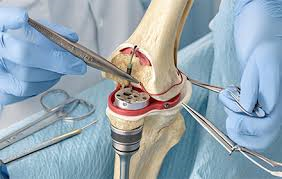
The meniscus is a C-shaped cartilage structure in the knee that acts as a shock absorber between the thigh bone and shin bone. While it can tear due to sudden injuries, age-related wear and tear is a more common cause, particularly among middle-aged and older adults. Meniscus tears frequently occur alongside knee osteoarthritis.
For years, doctors believed that meniscus tears were a major source of knee pain and that removing the damaged portion could improve symptoms. However, experts now suggest that the relationship between meniscus tears and pain may be more complex.
Dr Clint Soppe, an orthopedic surgeon and sports medicine specialist at Cedars-Sinai Medical Center, who was not involved in the study, said identifying the exact cause of knee pain can be difficult.
“Earlier, doctors often believed that knee pain was due to the meniscus tear rather than arthritis. But the problem is that it is difficult to clearly distinguish between the two,” he said.
The study’s senior investigator, Dr Teppo L.N. Järvinen from the University of Helsinki, said growing evidence suggests that doctors may have been focusing on the wrong problem.
According to Dr Järvinen, meniscus tears are extremely common among middle-aged and older adults, including many people who do not experience knee pain. This suggests that the tear itself may not always be the main cause of discomfort.
Experts say the findings reflect a broader lesson in medicine — some commonly used treatments may continue for years despite limited evidence of long-term benefits.
Dr Paul Arciero from Skidmore College also pointed out that many patients who undergo arthroscopic partial meniscectomy often report worsening pain and reduced mobility over time.
Non-surgical Options May Offer Better Relief
Experts suggest that many patients with knee osteoarthritis may benefit from non-surgical approaches before considering meniscus surgery. These may include physical therapy, anti-inflammatory medicines, ice therapy, rest, cycling, and selected injection treatments such as corticosteroids, hyaluronic acid, and platelet-rich plasma (PRP) therapy.
Dr Soppe said he still performs meniscectomy in specific cases, particularly when a torn meniscus has moved out of position and is causing mechanical problems inside the knee. However, he recommends surgery only after other treatments fail.
In some patients with advanced osteoarthritis, experts believe total knee replacement may be a more appropriate option than removing parts of the meniscus. Previous meniscectomy surgery is also considered a factor that can influence future knee replacement outcomes.
Experts also clarified that meniscus repair may still have a role, especially in younger patients with sudden traumatic knee injuries. However, for routine age-related meniscus tears associated with arthritis, alternative treatments may provide better long-term results.
Why Did the ‘Sham Surgery’ Group Improve?
Researchers also noted an interesting finding: patients who received the sham procedure still experienced improvement. Dr Soppe explained that these patients underwent diagnostic arthroscopy, where doctors inserted a camera into the knee and flushed the joint with fluid.
He suggested that the process may have reduced inflammation-related substances inside the joint, such as cytokines and other pain-related mediators, which could have contributed to symptom relief.
The findings highlight the need for a more personalised approach to knee osteoarthritis treatment, where doctors consider the overall condition of the joint rather than focusing only on meniscus tears visible on scans.
Be first to post your comments