The Heart’s Lifeline: Understanding the Cardiovascular System and How It Keeps Us Alive
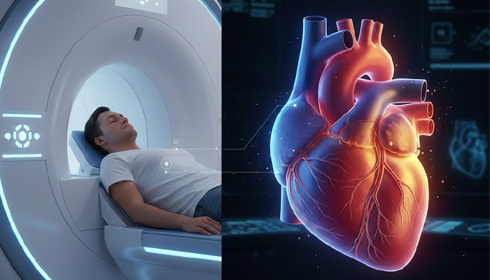
Every moment of life depends on the continuous work of the cardiovascular system — a powerful network that delivers oxygen, nutrients, and essential substances throughout the body while removing waste products. This complex system, made up of the heart, blood vessels, and blood, acts as the body’s internal transportation network.
The heart works like a muscular pump, continuously pushing blood through a vast network of vessels to reach every organ, tissue, and cell. At the same time, it collects oxygen-depleted blood and sends it back to the lungs, where it receives fresh oxygen and releases carbon dioxide. Any disruption or damage to this system can lead to serious health problems, including heart attacks, strokes, high blood pressure, and heart failure.
The cardiovascular system consists of the heart and a closed network of blood vessels. Arteries carry blood away from the heart to different parts of the body, while veins bring blood back to the heart. Connecting these two are tiny blood vessels called capillaries, where the exchange of oxygen, nutrients, and waste products takes place between the blood and body tissues.
The body has two major blood circulation systems that work together. The systemic circulation system delivers oxygen-rich blood from the heart to organs, muscles, and tissues throughout the body and returns oxygen-poor blood back to the heart. The pulmonary circulation system connects the heart and lungs, allowing blood to receive oxygen and remove carbon dioxide through the process of breathing.
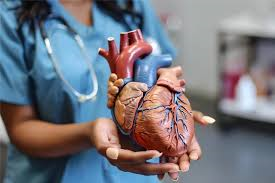
The heart itself is a highly organised organ divided into four chambers. The two upper chambers are called atria, while the two lower chambers are called ventricles. A muscular wall known as the septum separates the right and left sides of the heart, preventing oxygen-rich and oxygen-poor blood from mixing. Valves inside the heart ensure that blood moves in the correct direction and does not flow backward.
The journey of blood through the heart follows a precise pattern. Oxygen-depleted blood from the body enters the right atrium through large veins and moves into the right ventricle. From there, it is pumped toward the lungs, where it absorbs oxygen and releases carbon dioxide. The oxygen-rich blood then returns to the left side of the heart and enters the left ventricle, which pumps it through the aorta to supply the entire body.
The heart’s ability to maintain this constant circulation is vital for survival. Every cell in the body depends on a steady supply of oxygen and nutrients delivered through the bloodstream. Without proper blood circulation, tissues begin to lose their ability to function and may eventually become damaged.
The heart works through a repeated process called the cardiac cycle, which has two main phases — diastole and systole. During diastole, the heart muscles relax, allowing the chambers to fill with blood. During systole, the heart muscles contract and push blood out into the arteries. This continuous cycle keeps blood flowing throughout the body.
However, several conditions can affect the cardiovascular system and threaten heart health. One of the most serious conditions is a heart attack, which occurs when a part of the heart muscle does not receive enough blood and oxygen. This usually happens because of a blockage or damage in the arteries supplying blood to the heart.
A heart attack may cause symptoms such as chest pain or discomfort, pain spreading to the jaw, neck, back, arms, or shoulders, shortness of breath, dizziness, and lightheadedness. High cholesterol, high blood pressure, and smoking are among the major risk factors. Maintaining regular physical activity, following a healthy diet, managing weight, and avoiding tobacco can help reduce the risk.
Another major cardiovascular emergency is a stroke, which occurs when blood supply to a part of the brain is interrupted. This can happen because of a blood clot blocking an artery, known as an ischemic stroke, or due to bleeding from a damaged blood vessel, known as a hemorrhagic stroke.
Stroke symptoms usually appear suddenly and may include weakness or numbness on one side of the body, difficulty speaking, confusion, vision problems, dizziness, loss of balance, or a severe headache. High blood pressure, diabetes, heart disease, smoking, and increasing age can raise the risk of stroke. Treatment depends on the type of stroke and may include medicines, surgery, and rehabilitation therapies.
Heart failure is another condition in which the heart is unable to pump enough blood to meet the body’s needs. It may occur when the heart muscle becomes weak, thickened, or stiff. People with heart failure may experience breathlessness, persistent coughing, fatigue, swelling, reduced exercise ability, increased heart rate, and loss of appetite. While heart failure cannot always be cured, medicines, lifestyle changes, medical devices, and surgical procedures can help control symptoms and improve quality of life.
Arrhythmia, or an abnormal heartbeat, is another common cardiovascular problem. It occurs when the heart beats too quickly, too slowly, or irregularly. Some people may experience skipped heartbeats, dizziness, fainting, chest discomfort, sweating, or shortness of breath. Heart disease, high blood pressure, ageing, high cholesterol, and alcohol use can increase the risk of developing arrhythmias. In serious cases, devices such as pacemakers may be used to help regulate the heartbeat.
Ageing also brings natural changes to the cardiovascular system. As people grow older, the heart may become less efficient, especially during physical activity. The heart muscle and large arteries may become stiffer, increasing the risk of high blood pressure, heart attacks, strokes, and heart failure. Changes in the heart’s electrical system can also make irregular heart rhythms more common.
Protecting cardiovascular health requires lifelong care and healthy habits. Regular exercise, a balanced diet, maintaining a healthy weight, avoiding smoking, limiting alcohol intake, and controlling conditions such as diabetes and high blood pressure can significantly reduce the risk of heart disease.
The cardiovascular system is the body’s life-supporting network, working silently every second to keep organs and tissues alive. Understanding how it functions and recognising the warning signs of cardiovascular problems can help people take timely steps to protect their heart and overall health.
Be first to post your comments